Wildfire Prevention: Protecting Forests Before Fire Appears

Wildfire prevention is one of the most effective ways to protect ecosystems, biodiversity, and the communities that depend on forests.
In a context of climate crisis, prolonged droughts, and increasingly frequent extreme events, anticipating fire is no longer optional—it is a responsibility.
The Impact of Wildfires
Wildfires do more than destroy vast areas of forest in a matter of hours. They also generate massive greenhouse gas emissions, degrade soils, damage biodiversity, and put human lives at risk. In many cases, the environmental and social consequences can last for decades.
The good news is that most wildfires can be prevented. The key lies in combining planning, technology, on-the-ground work, and community participation.
Prevention Starts Before the Fire
Preventing wildfires means acting long before flames appear. This includes actions such as:
- continuous monitoring of the territory
- early detection of heat sources
- controlling access and high-risk activities
- maintaining firebreaks and strategic areas
- training local teams and communities
A preventive approach can significantly reduce the likelihood of wildfires and, when they do occur, enable faster and more coordinated responses, minimizing their impact.
Technology in Service of Forest Protection
Today, technology plays a central role in wildfire prevention. The use of satellite imagery, environmental sensors, autonomous drones, and real-time monitoring cameras makes it possible to:
- detect thermal anomalies at an early stage
- monitor large forest areas continuously
- anticipate risk scenarios during drought periods
- improve response capacity in emergency situations
These tools do not replace work in the field—but they strengthen it by providing accurate information to support timely decision-making.
Communities as Key Partners in Prevention
Effective wildfire prevention is not possible without the people who live in and understand the territory. Working closely with local and Indigenous communities is essential to:
- identify areas with higher fire risk
- promote responsible fire management practices
- strengthen local prevention and response capacities
- build a shared culture of forest protection
Environmental education, wildfire prevention training, and ongoing dialogue are critical to reducing risks sustainably.
Preventing Wildfires Is Climate Action
Every wildfire prevented means fewer emissions, greater biodiversity protection, and stronger ecosystem resilience in the face of climate change. For this reason, wildfire prevention is not only a conservation strategy—it is a concrete and high-impact climate action.
Protecting forests means recognizing that fire is not always inevitable. With planning, technology, community commitment, and a long-term perspective, it is possible to safeguard ecosystems before damage occurs.
Prevention means protection. And protecting forests today ensures the forests of tomorrow.


Artículos Relacionados
Featured - Biodiversity - February 26, 2026
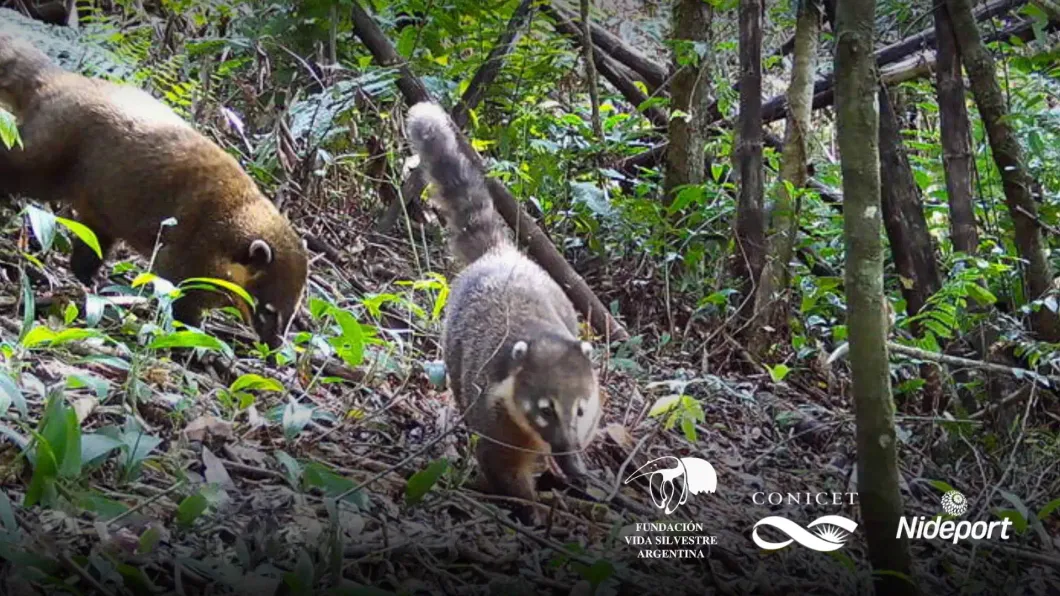
Camera Traps: Secret Glimpses into Wildlife
Within the Selva Paranaense Vida Nativa project, Nideport works alongside scientific organizations to monitor biodiversity through camera traps and protect wildlife in the Misiones forest.
Featured - Carbon - February 19, 2026
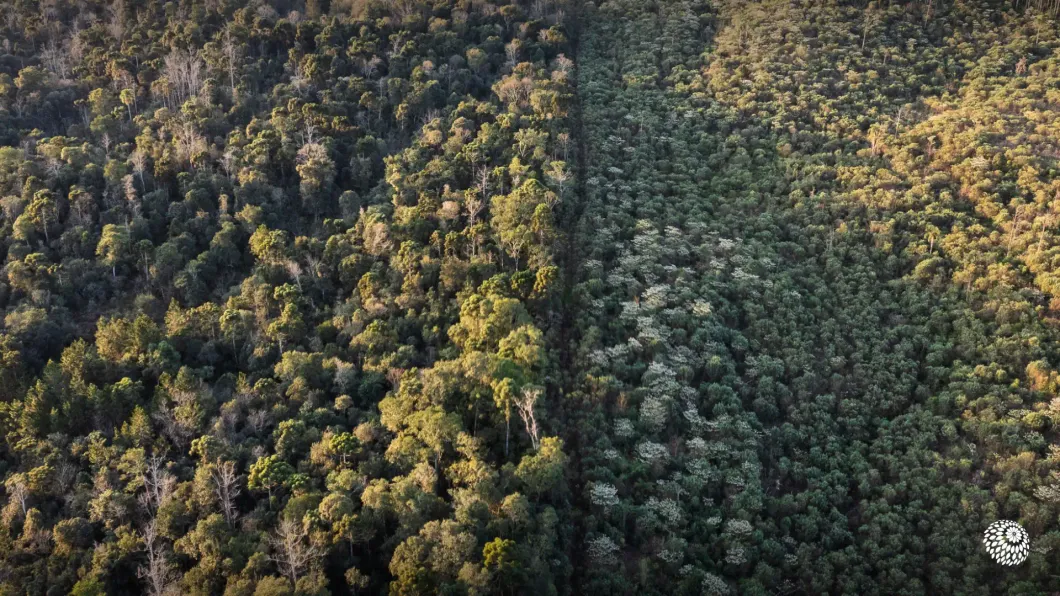
Carbon Credits: Which Projects Should Be Prioritized If We Seek Real Impact
As the carbon credit market consolidates, not all projects deliver the same environmental value. This article explores which project types should be prioritized to achieve real climate and ecological impact.
Certifications - February 12, 2026
Nideport Achieves CCB Gold Certification and Earns an A Rating from Sylvera for Its Vida Nativa Project
Nideport’s Selva Paranaense Vida Nativa project achieved CCB Gold certification and earned an A Rating from Sylvera, positioning it among the highest-integrity forest projects globally in terms of climate, biodiversity, and social impact.
Communities - February 5, 2026
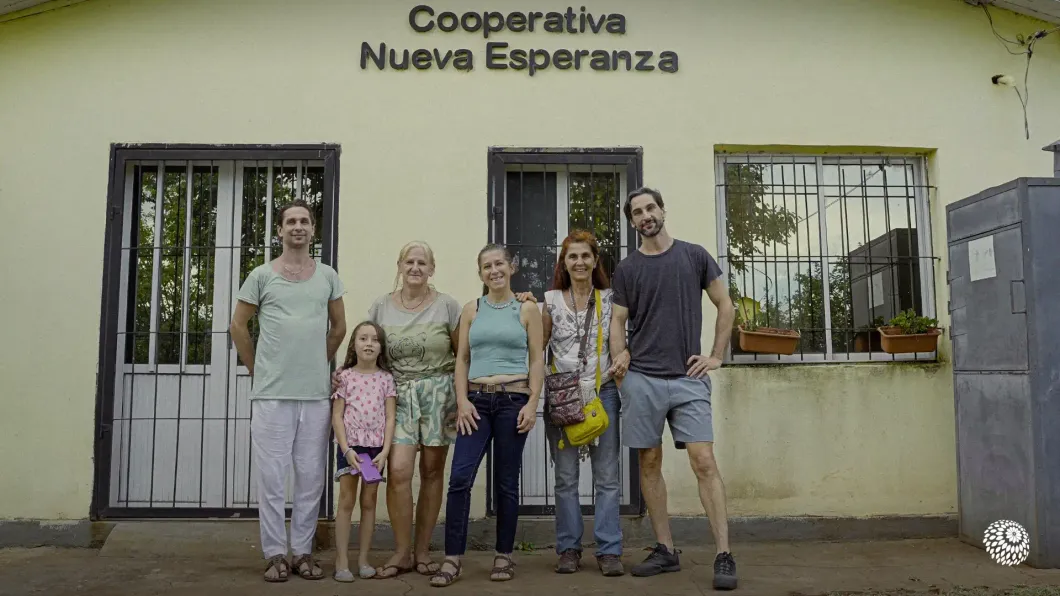
Harvesting Together: A Partnership That Amplifies Impact in the Forest and Local Communities
We understand ecological restoration as a holistic process that goes beyond planting trees. This partnership with Belleza India strengthens local economies, regenerates relationships, and amplifies environmental and social impact in the forest and surrounding communities.